Sustainable fashion has become a major focus in recent years as consumers grow more aware of how their clothing choices affect the environment. From excessive water usage and textile waste to carbon emissions and unethical labor practices, the fashion industry has a significant environmental footprint. Despite this awareness, many people still believe that building an eco-friendly wardrobe is expensive and out of reach.
The reality is that creating a sustainable wardrobe does not require a large budget or a drastic lifestyle change. With thoughtful planning, mindful shopping habits, and smarter clothing care, you can dress sustainably while staying within your financial limits. This guide outlines practical, budget-friendly strategies to help you build an eco-friendly wardrobe without sacrificing style or affordability.
What Does an Eco-Friendly Wardrobe Mean?
An eco-friendly wardrobe focuses on reducing environmental harm throughout the entire lifecycle of clothing—from production and purchase to care and disposal. It prioritizes:
- Buying fewer, higher-quality garments
- Choosing materials with lower environmental impact
- Supporting ethical and transparent brands
- Extending the life of clothing through proper care
- Reducing waste and overconsumption
Sustainable fashion is not about perfection. It is about making more informed choices that collectively reduce your environmental footprint.
Why Sustainable Fashion Matters
The fashion industry is one of the world’s largest polluters. Fast fashion relies on rapid production cycles, low-cost materials, and disposable clothing, leading to massive textile waste and environmental damage.
By choosing sustainable fashion, you help:
- Reduce landfill waste
- Conserve water and energy
- Lower greenhouse gas emissions
- Minimize chemical pollution
- Support ethical labor practices
An eco-friendly wardrobe is not just a personal style choice—it is a meaningful step toward environmental responsibility.
Start With What You Already Own
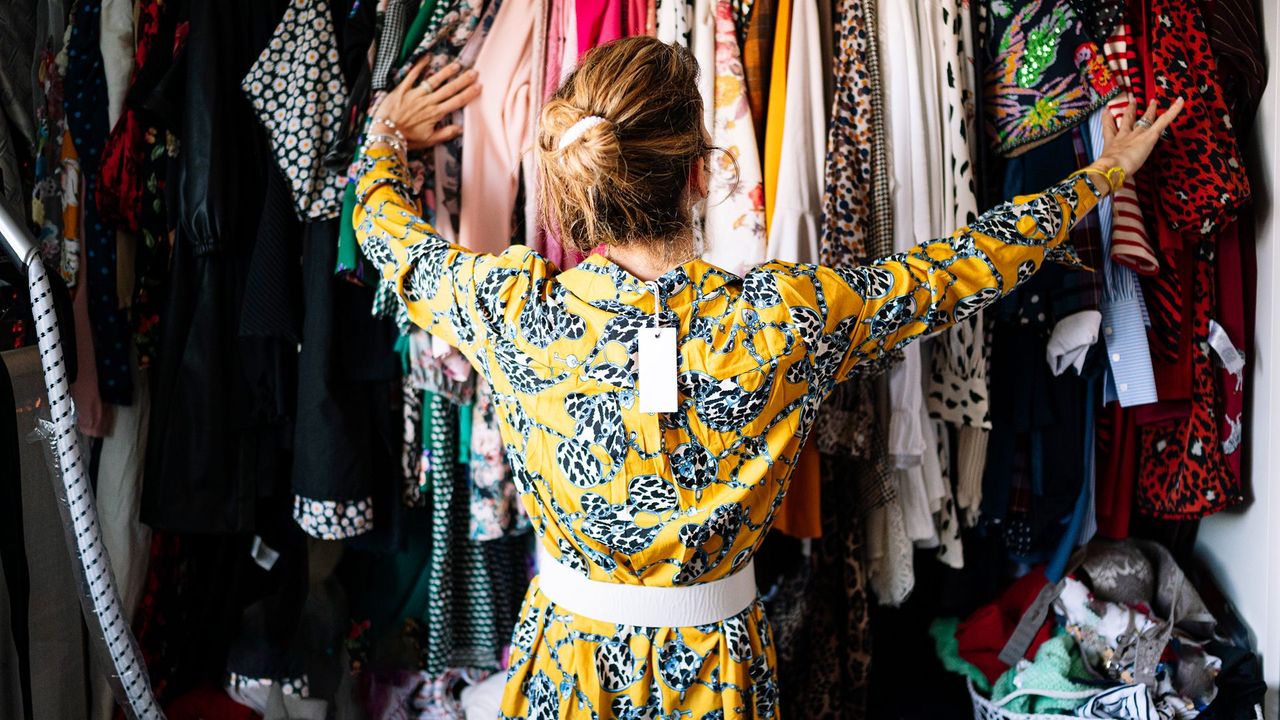
The most sustainable wardrobe begins with the clothes you already have. Before buying anything new, take time to maximize your existing collection.
Conduct a Wardrobe Audit
Sort your clothes into categories: frequently worn, occasionally worn, and no longer worn. This process helps identify what truly fits your lifestyle and personal style.
Restyle What You Own
Experiment with layering, accessories, and different outfit combinations. Many people find they can create fresh looks without purchasing anything new.
Repair and Alter
Simple repairs—such as sewing buttons, fixing hems, or tailoring for better fit—can significantly extend a garment’s lifespan at minimal cost.
Buy Less and Shop With Intention
Reducing consumption is one of the most effective ways to make your wardrobe more sustainable.
Choose Quality Over Quantity
Well-made garments last longer and maintain their appearance over time. While they may cost slightly more upfront, they save money by reducing frequent replacements.
Avoid Impulse Purchases
Trendy items often go out of style quickly. Waiting before purchasing helps ensure you truly need and will wear the item regularly.
Prioritize Versatility
Select clothing that can be worn in multiple settings and styled in different ways. Neutral colors and classic silhouettes offer the most flexibility.
Build a Capsule Wardrobe on a Budget
A capsule wardrobe consists of a limited number of essential, interchangeable pieces. This approach minimizes excess and simplifies daily outfit choices.
Typical capsule wardrobe items include:
- A reliable pair of jeans or trousers
- Neutral tops and layering pieces
- Comfortable, durable footwear
- A versatile jacket or coat
- Clothing that works across seasons
With fewer but better pieces, you reduce waste and spend less over time.
Shop Secondhand and Thrift Stores
Secondhand shopping is one of the most affordable and eco-friendly ways to build an eco-conscious wardrobe.
Thrift and Consignment Stores
Local thrift stores often carry high-quality clothing at a fraction of retail prices. Shopping secondhand keeps garments in circulation and out of landfills.
Online Resale Platforms
Digital resale marketplaces allow you to search for specific styles, sizes, and brands, making sustainable shopping more convenient.
Vintage Clothing
Vintage garments are often better constructed and more durable than modern fast-fashion pieces, making them a smart long-term investment.
Choose Sustainable Fabrics Without Overspending
Fabric choice plays a major role in sustainability.
Opt for Natural and Renewable Fibers
Cotton, linen, hemp, bamboo, and wool are generally more eco-friendly than synthetic materials, especially when responsibly sourced.
Be Selective With Synthetics
Polyester and nylon are durable but derived from fossil fuels and shed microplastics. If you buy them, choose high-quality pieces you will wear often.
Check Fabric Labels
Avoid excessive fabric blends when possible, as they are harder to recycle and break down at the end of their life cycle.
Support Ethical and Sustainable Brands Gradually
You do not need to overhaul your wardrobe or shop exclusively from high-end sustainable brands.
Research Before Buying
Look for transparency around sourcing, labor practices, and environmental impact. Ethical brands are usually open about how their products are made.
Shop Sales and Discounts
Many sustainable brands offer seasonal sales, sample sales, or clearance items that make eco-friendly clothing more affordable.
Replace Items Over Time
Transition gradually by replacing worn-out items with more sustainable alternatives as your budget allows.
The Role of Design and Creative Intent in Sustainable Fashion
Sustainability is not only about materials—it is also about thoughtful design and long-term usability. Brands and creative studios that emphasize intentional design help reduce waste by creating clothing meant to last.
Creative environments and brand philosophies—similar to the approach taken by glass wheel studio in design-driven industries—highlight the importance of purpose, durability, and meaningful aesthetics. This same principle applies to fashion: well-designed pieces with longevity reduce overconsumption and environmental strain.
Care for Your Clothes to Extend Their Life
Proper garment care significantly improves sustainability.
Wash Less Often
Overwashing damages fabrics and wastes water. Many garments can be worn several times before washing.
Use Cold Water
Cold-water washing conserves energy and preserves fabric quality.
Air Dry When Possible
Air drying reduces electricity use and prevents shrinkage and fiber breakdown.
Store Clothes Correctly
Proper folding, hanging, and storage protect garments from stretching, fading, and damage.
Rent, Borrow, and Swap Clothing
You do not need to own every item you wear.
Clothing Swaps
Exchanging clothes with friends or community groups refreshes your wardrobe at no cost.
Rent for Special Occasions
Renting formalwear or event outfits avoids unnecessary one-time purchases.
Borrow Accessories
Borrowing statement items allows variety without contributing to excess consumption.
Avoid Greenwashing and Misleading Claims
Not all brands that claim sustainability truly practice it.
Question Vague Language
Terms like “eco-friendly” or “conscious” mean little without clear evidence or transparency.
Focus on Longevity
A truly sustainable item is one you will wear repeatedly over many years.
Avoid Trend-Based Sustainability
Constantly buying new “sustainable” trends still encourages overconsumption.
Budget-Friendly Sustainable Shopping Tips
Building an eco-friendly wardrobe on a budget requires smarter habits.
- Set a clothing budget and track spending
- Calculate cost-per-wear rather than price alone
- Buy classic styles instead of fast trends
- Shop off-season for better prices
- Plan purchases rather than shopping impulsively
These habits benefit both your finances and the environment.
Benefits of an Eco-Friendly Wardrobe
Sustainable fashion offers long-term advantages.
Financial Savings
Fewer purchases and longer-lasting clothing reduce overall spending.
Simplified Daily Choices
A curated wardrobe reduces decision fatigue and saves time.
Stronger Personal Style
Intentional fashion choices lead to a more authentic, consistent style.
Environmental Impact
Every mindful decision helps reduce pollution, waste, and resource depletion.
Common Mistakes to Avoid
When transitioning to sustainable fashion, avoid:
- Replacing your entire wardrobe at once
- Assuming higher price always means sustainable
- Neglecting garment care
- Buying eco-friendly items you rarely wear
Sustainability works best when it is realistic and consistent.
How to Transition to Sustainable Fashion Gradually
The most effective approach is slow, intentional change.
Start by:
- Wearing what you already own more often
- Choosing secondhand when possible
- Replacing items only when necessary
- Educating yourself about fabrics and brands
Small steps lead to lasting impact.
Frequently Asked Questions (FAQs)
- How can I build an eco-friendly wardrobe on a budget?
Focus on buying secondhand, choosing quality over quantity, and investing in versatile basics that last longer. - Is sustainable fashion more expensive than fast fashion?
Not always. Thrifting, clothing swaps, and mindful purchasing can make sustainable fashion affordable.
- What fabrics are best for an eco-friendly wardrobe?
Organic cotton, linen, hemp, and recycled materials are sustainable, durable, and budget-friendly options.
Creating a Sustainable Wardrobe with Purpose and Long-Term Value
Building an eco-friendly wardrobe without breaking the bank is both achievable and practical. By focusing on mindful consumption, secondhand shopping, quality pieces, thoughtful design, and proper clothing care, you can reduce your environmental footprint while staying within budget.
Sustainable fashion is not about deprivation or perfection—it is about intention and long-term value. Every conscious choice contributes to a healthier planet and a wardrobe that truly supports your lifestyle.


