Juice cleanses and detox programs have become popular in recent years. Many people try them, hoping to feel lighter, more energetic, or simply healthier. At the same time, there is a lot of confusion around what detoxing actually means and whether juice cleanses truly work.
In this blog, I want to break down the science behind juice cleanses and detox programs in a simple and honest way. No hype, no fear tactics, just what the body actually does and where juice cleanses may or may not fit into a healthy lifestyle.
What People Mean by Detoxing
When most people talk about detoxing, they usually mean removing toxins from the body. These toxins are often described as chemicals from food, pollution, alcohol, or processed products.
From a scientific point of view, detoxification is a real biological process. It just does not work the way most detox programs advertise.
Your body already has a built-in detox system that works around the clock.
- Liver
• Kidneys
• Digestive system
• Lungs
• Skin
These organs work together to neutralize and remove waste products. They do not need special drinks or extreme diets to function properly.
How the Body Actually Detoxifies
The liver is the main detox organ. It converts harmful substances into forms that can be safely removed from the body. The kidneys filter the blood and remove waste through urine. The digestive system eliminates waste through bowel movements.
This process happens naturally as long as the body is supported with:
- Adequate hydration
• Enough calories
• Essential nutrients
• Proper sleep
No juice cleanse can replace these systems or speed them up in a dramatic way.
What Juice Cleanses Usually Involve
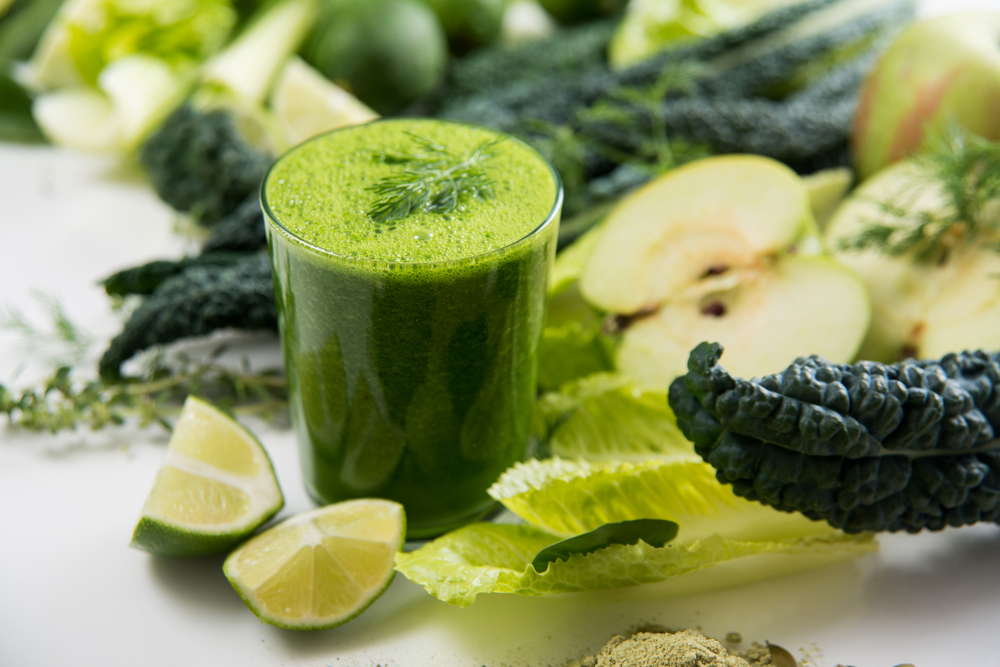
Most juice cleanses involve consuming only fruit and vegetable juices for a set period of time. This could be anywhere from one day to several days.
During a typical juice cleanse:
- Solid foods are avoided
• Calorie intake is often very low
• Fiber intake is minimal
• Sugar intake can be high depending on the fruits used
This combination is important to understand when looking at the effects people experience.
Why People Feel Better on Juice Cleanses
Many people report feeling lighter or refreshed during a juice cleanse. This can happen for a few reasons that are not directly related to detoxing.
First, removing processed foods can reduce bloating and water retention. Second, drinking more fluids can improve hydration. Third, eating fewer calories can lead to short term weight loss, mostly from water and glycogen stores.
These effects can feel positive, but they are temporary.
The Role of Fiber in Real Detox Support
One of the biggest issues with juice cleanses is the lack of fiber. Fiber plays a key role in digestive health and waste elimination.
Fiber helps by:
- Supporting healthy bowel movements
• Feeding beneficial gut bacteria
• Slowing sugar absorption
• Supporting stable energy levels
When fruits and vegetables are juiced, most of the fiber is removed. This can actually reduce the digestive benefits that whole foods provide.
Sugar Spikes and Energy Crashes
Fruit-based juices can be high in natural sugars. Without fiber, these sugars are absorbed quickly into the bloodstream.
This may lead to:
- Blood sugar spikes
• Short bursts of energy
• Sudden fatigue
• Increased hunger
For some individuals, this cycle can make it more challenging to maintain a healthy eating habit after the cleanse is over.
Detox Programs vs Sustainable Habits
From a scientific perspective, short detox programs do not create lasting detox benefits. What matters more is how you eat and live most of the time.
Long-term support for the body’s detox systems comes from:
- Eating whole fruits and vegetables
• Including enough protein
• Drinking water regularly
• Limiting ultra-processed foods
• Getting quality sleep
Some people choose structured programs like Ritual Cleanse as a short reset or mindfulness tool, but it is important to view them as temporary experiences rather than medical detox solutions.
Are Juice Cleanses Dangerous
For generally healthy adults, short juice cleanses are not usually dangerous. However, they are not suitable for everyone.
People who should be cautious include:
- Those with diabetes
• People with eating disorder history
• Pregnant or breastfeeding individuals
• Anyone with chronic health conditions
Extreme calorie restriction can place stress on the body, especially if repeated often.
What Science Actually Supports
Scientific research does not support the idea that juice cleanses remove toxins faster than the body already does. However, science does support the benefits of plant-rich diets.
Eating fruits and vegetables in their whole form provides:
- Antioxidants
• Vitamins and minerals
• Fiber
• Phytochemicals
These nutrients help the liver and digestive system function efficiently without extreme measures.
A Smarter Way to Support Natural Detox
If your goal is to feel better and support your body, consider approaches that align with the body’s natural functions.
- Add more vegetables to meals
• Eat whole fruits instead of juice
• Stay hydrated throughout the day
• Reduce alcohol and processed foods
• Focus on consistency over quick fixes
These habits support detox pathways in a sustainable and evidence-based way.
Common Questions People Have
1. Do juice cleanses actually remove toxins
No. The liver and kidneys already handle toxin removal. Juice cleanses do not enhance this process in a proven way.
2. Why do I lose weight on a juice cleanse
Most weight loss comes from water loss and reduced calorie intake, not fat loss.
3. Are vegetable juices better than fruit juices
Vegetable juices are lower in sugar, but they still lack fiber compared to whole vegetables.
4. Can juice cleanses reset digestion
There is no scientific evidence that digestion needs a reset. Regular balanced eating supports gut health more effectively.
5. Is it okay to do a juice cleanse occasionally
Occasional short cleanses may be safe for healthy adults, but they are not necessary for detox.
Final Thoughts Before You Try a Cleanse
Juice cleanses and detox programs can feel appealing, especially when you want a fresh start. The science shows that your body already knows how to detox itself when it is supported properly.
Instead of chasing quick fixes, focus on habits that nourish your body every day. Whole foods, hydration, rest, and balance will always do more for your health than any short term cleanse.


