Understanding the Critical Role of Bacterial Barriers in Oral Health
The mouth harbours a complex ecosystem of bacteria, many of which play beneficial roles, whilst others can threaten long-term dental health. When teeth are replaced with restorative solutions, how these prosthetics interact with the surrounding gum tissue is important in reducing inflammation and supporting oral health.
Traditional tooth replacements can create spaces where bacteria and plaque accumulate, potentially leading to gum inflammation and damage to the surrounding tissues if left untreated. Dental implants Northern Ireland offer a fixed tooth replacement option, but maintaining healthy gums around implants remains essential. Good oral hygiene, regular dental check-ups and professional cleaning can help reduce the risk of inflammation and support the long-term health of the implant and surrounding bone.
The Architecture of Implant-Tissue Integration
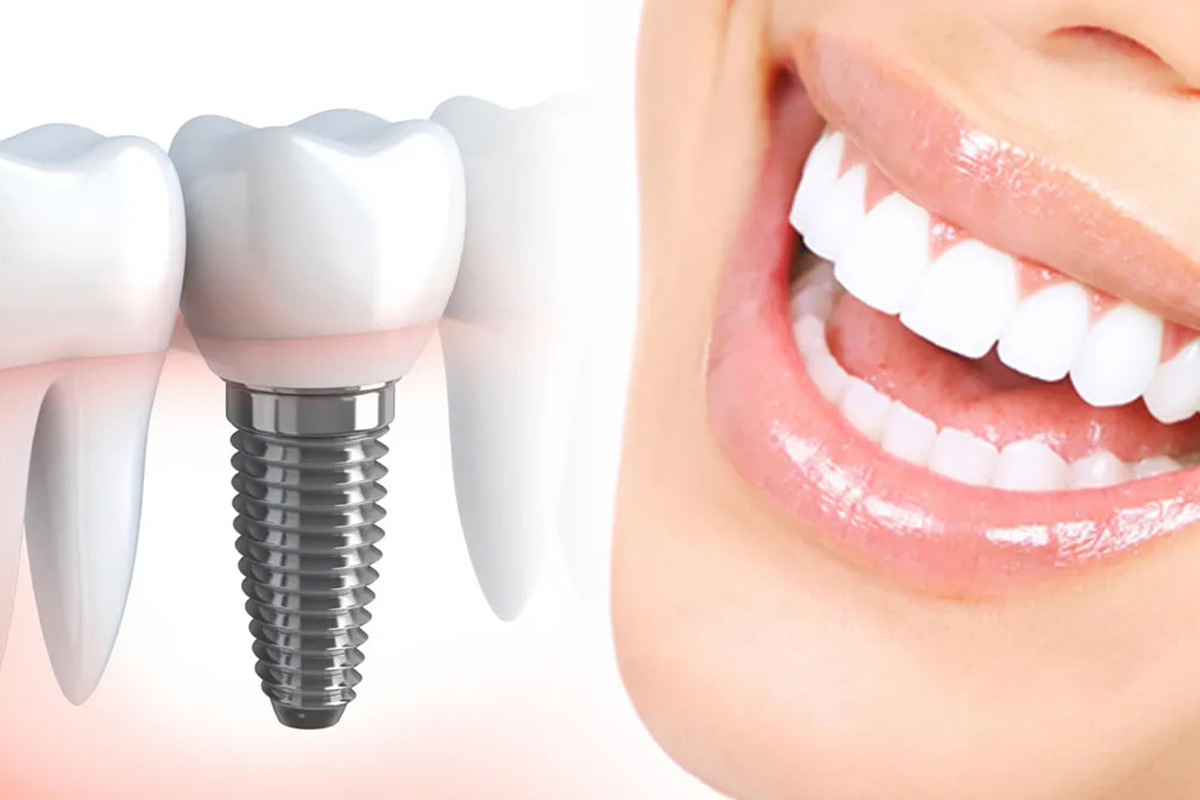
Modern dental implants Northern Ireland represent a sophisticated approach to tooth replacement that addresses bacterial sealing at a fundamental level. Unlike bridges or dentures that rest atop the gum line, implants integrate with the jawbone through a process called osseointegration, creating a stable foundation that mimics the natural tooth root.
This integration establishes a unique biological seal where the soft tissue attaches directly to the implant surface. The gingival tissue forms a protective collar around the abutment, creating what dental professionals term a “biological width.” This natural barrier functions similarly to the seal that exists around natural teeth, preventing bacterial penetration into deeper tissues where inflammation can become established.
How Proper Sealing Mechanisms Combat Bacterial Invasion
The effectiveness of this bacterial barrier depends on several critical factors. The surface characteristics of the implant components play a vital role in encouraging healthy tissue attachment. Modern implant systems feature precisely engineered surfaces that promote cellular adhesion, allowing the gingival fibres to form tight connections with the restoration.
Research has demonstrated tha tthe quality of soft tissue integration around implants significantly influences long-term success rates. When tissue attaches properly to the implant surface, it creates a physical barrier that bacterial colonies struggle to penetrate. This seal prevents pathogens from migrating downward along the implant body towards the bone interface, where they could trigger inflammatory processes.
The Inflammatory Response When Seals Fail
When bacterial barriers become compromised, the consequences manifest relatively quickly. Pathogens accumulate in the sulcus surrounding the implant, releasing toxins that trigger an immune response. The body responds by sending inflammatory cells to the area, resulting in swelling, redness, and potential bleeding of the gum tissue. Left unchecked, this condition can progress from peri-implant mucositis to the more serious peri-implantitis, where bone loss begins to occur.
Understanding how bacteria exploit microscopic gaps in implant systems has led to significant improvements in component design. Manufacturers now focus on minimising the micro-gaps between implant bodies and abutments, recognising that even spaces measuring mere micrometres can harbour bacterial colonies capable of initiating inflammatory cascades.
Maintaining the Protective Seal Through Proper Care
The longevity of the bacterial seal depends substantially on patient maintenance and professional oversight. Regular hygiene practices remove bacterial accumulations before they can establish colonies capable of breaching the tissue barrier. Specialised cleaning techniques, including the use of interdental brushes and antimicrobial rinses, help preserve the integrity of the gum-implant interface.
Professional monitoring ensures that any early signs of seal deterioration receive prompt attention. Dental practitioners assess the health of peri-implant tissues during routine examinations, measuring pocket depths and checking for bleeding upon probing. These assessments identify problems whilst they remain manageable, before chronic inflammation establishes itself.
The relationship between adequate gum tissue volume and implant success cannot be overstated. Sufficient keratinised tissue around the implant provides enhanced resistance to bacterial penetration and mechanical stress during chewing. When tissue volume proves inadequate, grafting procedures can augment the protective barrier, strengthening the seal against bacterial invasion.
The Long-Term Benefits of Effective Bacterial Control
The investment in proper implant placement and maintenance yields substantial dividends in inflammatory prevention. By establishing and maintaining an effective bacterial seal at the gum line, patients can enjoy restorations that function without triggering chronic immune responses. This protection preserves not only the implant itself but also the surrounding bone and soft tissue architecture, ensuring that dental implants Northern Ireland patients receive continue to serve their intended purpose for decades. The marriage of advanced materials science with biological understanding has created restorative solutions that work harmoniously with the body’s natural defence mechanisms, offering a sustainable approach to tooth replacement.


