A controlled peptide workflow depends on defined materials, consistent handling, and clear records. A tesamorelin-ipamorelin blend can fit that framework when researchers maintain disciplined study conditions. For teams seeking a defined research material, shop tesamorelin & ipamorelin blend at AZOTH provides a direct reference point for sourcing. The useful question concerns workflow fit: how composition, documentation, storage, and experimental consistency shape meaningful observations.
Defined Composition Supports Consistent Research
Controlled studies depend on knowing what enters each experiment. A blend establishes a specified peptide combination for repeatable handling.
Key workflow considerations include:
- Record the stated composition before use.
- Assign each material a tracking identifier.
- Preserve storage details with study records.
- Separate research materials from unrelated samples.
Such practices reduce ambiguity during later data review.
Why Does Handling Matter During Studies?
Handling conditions can influence experimental consistency. Temperature, light exposure, labeling, and storage duration deserve documented controls. A research team can then distinguish experimental variables from material-management variables.
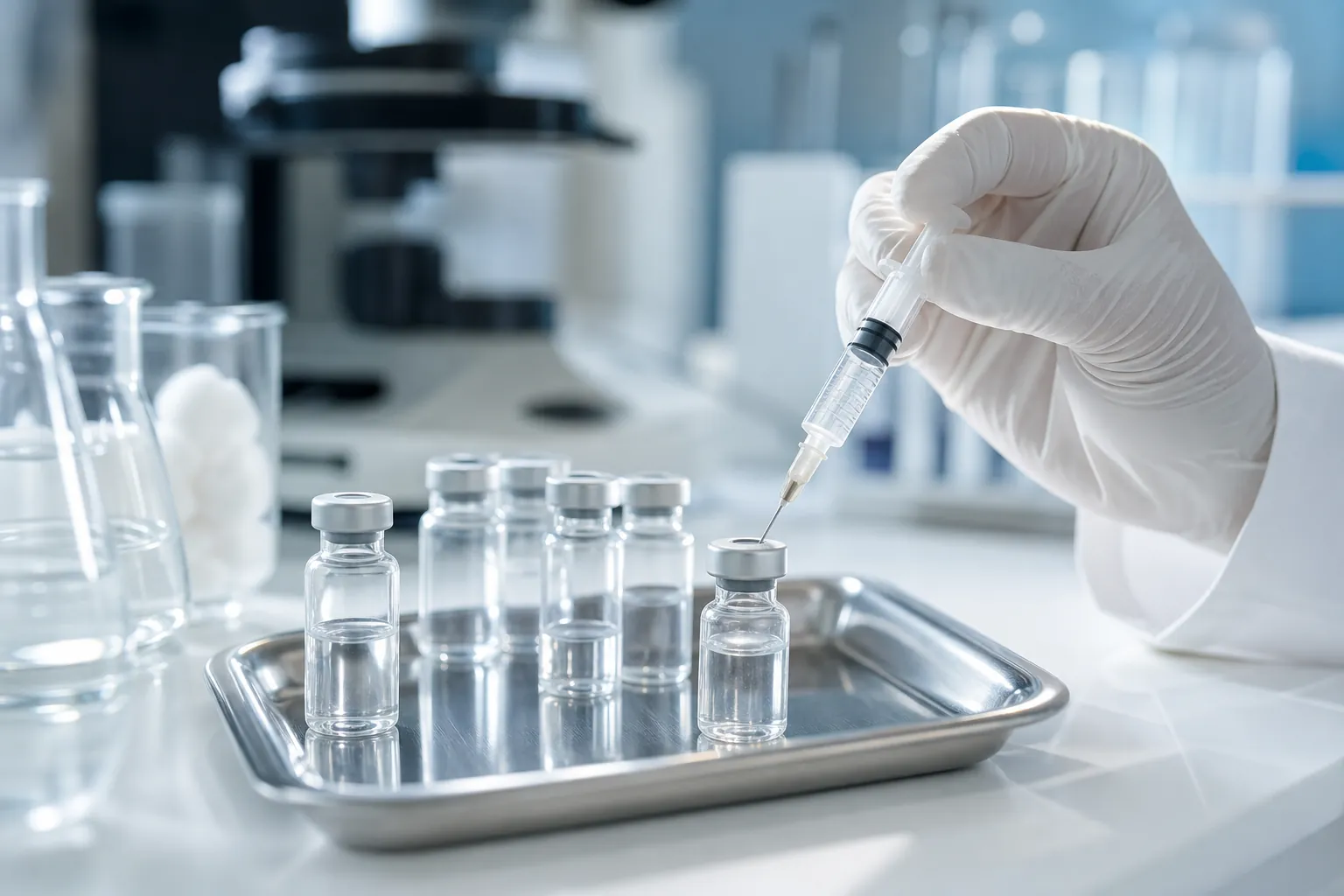
For example, identical storage conditions across sample groups create cleaner comparisons. Different handling practices introduce another source of uncertainty. Controlled preparation therefore supports stronger interpretation without changing the study objective.
Blend Selection Fits Defined Study Parameters
A tesamorelin-ipamorelin blend may suit protocols requiring a specified combination rather than isolated compounds. Selection should follow the experimental question, available controls, and documented material specifications.
For researchers ready to source a defined option, shop tesamorelin& ipamorelin blend at AZOTH can fit a workflow centered on traceable research materials. The key consideration remains alignment between material characteristics and protocol requirements.
What Should Researchers Record Before Testing?
Documentation creates continuity from receipt through analysis. Useful records capture material identity, lot information, storage conditions, preparation details, and relevant observations.
A concise record can include:
- Receipt date and material identifier.
- Storage location and stated conditions.
- Preparation timing and handling notes.
- Experimental assignment for each sample.
These details make later comparisons easier to interpret.
Controlled Variables Clarify Experimental Findings
A sound workflow limits avoidable variation. Researchers can standardize storage, preparation timing, sample labeling, and procedural steps before collecting observations.
That approach matters because a blend is only one experimental variable. Other conditions can affect results as well. Keeping surrounding factors stable gives researchers a clearer basis for evaluating observed differences.
Traceability Turns Materials Into Usable Data
A labeled vial has limited research value without context. Linked records transform a physical material into a traceable experimental input.
This creates an important reframing: documentation is not administrative overhead. It becomes part of experimental quality. When storage details, identifiers, and handling notes remain connected, even small observations retain useful context. A simple lot number can therefore become the anchor for an entire research record.


